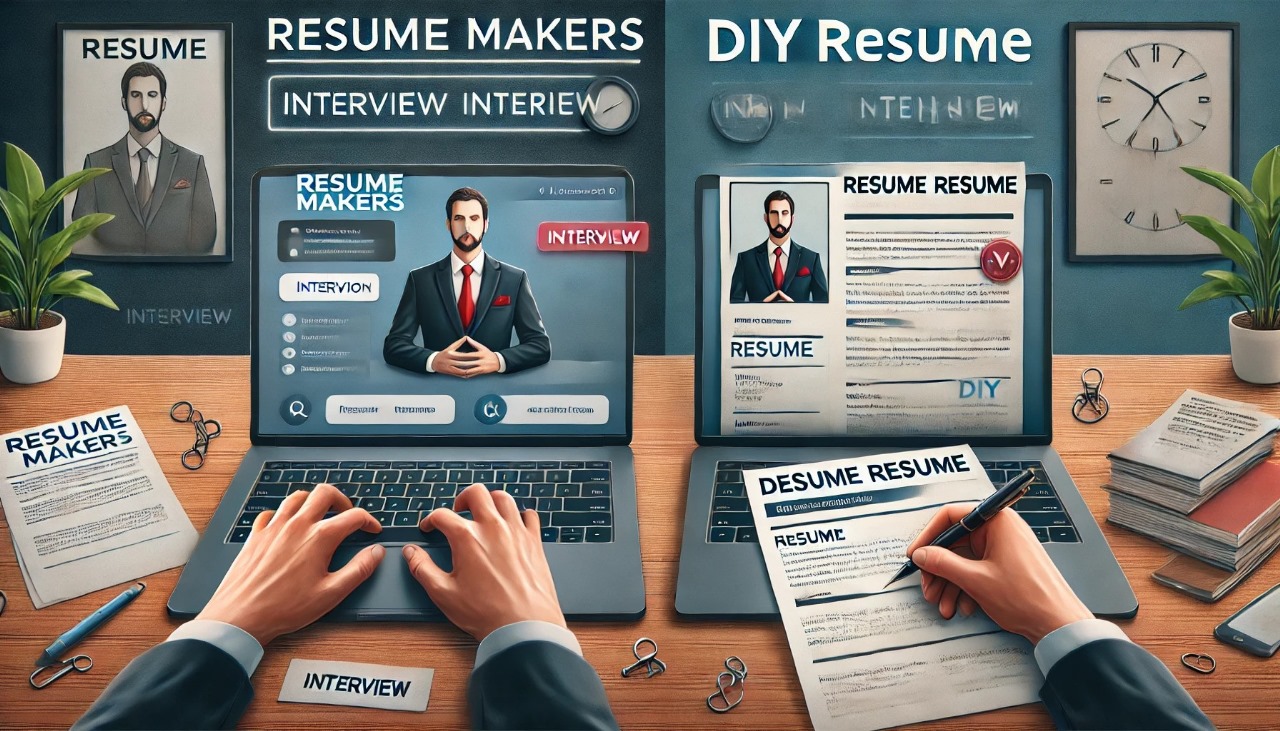
Resume builders offer easy-to-use templates and ATS tools but cost money. DIY resumes give you full control but take more time to make. Resume builders get more interviews for basic jobs due to ATS rules. DIY resumes work better for creative jobs and high-level roles. Your best choice depends on your job field, skills, and time limits.
The Resume Dilemma
Finding a job is tough these days. Your resume is often the key to getting an interview. With so many people looking for work, you need to stand out from the crowd. This brings up an important question. Should you use a resume maker or build one yourself? Many job seekers turn to an online resume maker to save time and effort.
This choice is about more than just looks. The right choice can lead to more interviews. The wrong one might leave you waiting by the phone. Studies show hiring managers spend only 7.4 seconds looking at each resume. In that short time, your layout and content must grab their attention.
No matter where you are in your career, knowing the pros and cons of each method matters. This guide will help you choose the best way to create your resume.
The Rise of Applicant Tracking Systems (ATS)
How ATS Changed the Resume Game
Before we compare methods, you need to know about ATS. These are computer systems that scan resumes before humans see them. Over 99% of big companies use ATS. About 75% of medium-sized firms use them too.
These systems look for keywords and skills in your resume. They reject about 75% of all resumes sent in. This means your perfect resume might never reach human eyes if it fails this first test.
The Keyword Challenge
ATS systems look for specific words from the job post. This creates a new challenge. You need to include the right keywords while still sounding natural.
Resume makers often have “ATS-friendly” templates. DIY resumes require you to learn ATS rules on your own. This tech hurdle is a big factor in your choice.
Resume Makers: The Professional Template Approach
What Are Resume Makers?
Resume makers are websites or programs that help you build resumes quickly. A good resume maker offers pre-made designs and writing tips. Popular options include My CV Creator, Canva, Resume.io, Zety, and Novoresume. Many people search for an online curriculum vitae maker free of charge when starting their job hunt.
These tools offer many templates sorted by job type. Most include spell-check and format options.
Advantages of Using Resume Makers
Resume makers are very fast to use. Most let you create a good-looking resume in less than an hour. They guide you through each section step by step.
For busy people applying to many jobs, this saves precious time. These tools store your info, making it easy to create different versions for each job.
Resume makers offer designs made by experts. These templates follow current trends and best practices. This is hard to match without design skills.
These good-looking templates make a strong first impression. Clean layouts and good font choices make your resume easy to read.
Many resume makers offer templates that work well with ATS systems. Some include keyword tools and format checks. These features help your resume pass through computer screening.
Some advanced tools can even scan job posts. They suggest changes to match what employers are looking for.
Disadvantages of Resume Makers
The downside of templates is that many people use them. When lots of job seekers use the same few designs, yours might blend in with the crowd.
This lack of uniqueness can hurt in creative fields. It’s also a problem in jobs where standing out matters.
Many resume makers have free basic options. But the best features cost money. Prices range from $5 to $40 per month. This adds up during a long job search.
Paying monthly may rush you to finish quickly. This could lead to mistakes in your resume.
Resume makers limit your creative freedom. You can only use their fonts, colors, and layouts. These might not match your style or industry needs.
This is most limiting for people with unique career paths. It also affects those in creative fields where style matters.
DIY Resumes: The Personal Touch Approach
What Are DIY Resumes?
DIY resumes are made from scratch using common software. This includes Microsoft Word, Google Docs, or Adobe programs. This method gives you full control over your resume.
Making a DIY resume takes more skill. But it offers total freedom to show your unique career story.
Advantages of DIY Resumes
The biggest plus of DIY resumes is freedom. You can customize every detail. This includes margins, spacing, fonts, and layout.
This control lets you highlight your strengths in unique ways. It works well for people with unusual career paths.
DIY resumes let you create a consistent personal brand. Your resume can match your website, business cards, and online profiles.
This shows great attention to detail. It makes you more memorable to hiring managers.
Making your own resume with tools you already have saves money. Programs like Google Docs and Microsoft Word work fine for free.
For job seekers on a budget, this matters a lot. The savings add up during a long job hunt.
Disadvantages of DIY Resumes
Building from scratch takes much longer than using templates. From design choices to fixing format issues, DIY resumes require hours of work.
This time adds up when making different versions. Each change needs manual edits rather than template switches.
Not everyone knows how to make good-looking documents. Poor font choices or messy layouts create bad impressions.
Without design skills, DIY resumes might look less professional. Template resumes often look more polished.
Making an ATS-friendly resume takes special knowledge. DIY methods might include elements that confuse these systems. Tables, headers, and complex layouts can cause problems.
Without built-in checks, your resume might not pass the computer screening stage.
Which Approach Gets More Interviews?
Industry Matters
The best choice varies by job field. Studies show template resumes work better in fields like finance, healthcare, and office work.
Creative jobs like design and advertising favor unique DIY resumes. Tech jobs are mixed. Technical roles care more about content than design. Design-related tech jobs expect creative resumes.
Experience Level Counts
Your career stage affects which method works best. New graduates get better results with resume makers. These tools add polish when work history is limited.
Mid-career workers see mixed results based on their field. Senior leaders almost always benefit from custom approaches. Many hire professional writers instead.
The Real Numbers
Recent surveys of hiring managers show clear patterns.
Template resumes got 21% more first interviews for entry and mid-level jobs. DIY resumes got 34% more interviews in creative fields. Custom DIY resumes did 17% better for jobs paying over $100,000. Template resumes with good keywords did 43% better with big company ATS systems.
These numbers show resume makers help with ATS barriers. DIY approaches win when uniqueness matters more.
Hybrid Approaches: Getting the Best of Both Worlds
Templates First, Custom Touches Later
Many job seekers use both methods together. One good approach is to start with a resume maker template. Then export it to Word for more personal changes. This gives you the best of both worlds.
This gives you the structure of pro templates with room for your own style. It takes more work than just using templates but less skill than starting from scratch.
DIY with Expert Help
Another mixed approach is creating your own resume while using expert tips. Free resume review tools and online forums can guide your DIY process.
Groups like Reddit’s r/resumes offer feedback from pros. This helps improve DIY resumes without limiting your creative control.
Practical Decision Guide: Making Your Choice
When to Choose Resume Makers
Resume makers are likely your best bet if:
- You’re applying to big companies with strict ATS systems
- You don’t have strong design skills
- You need to make many resume versions quickly
- You work in a field that expects standard formats
- You’re applying for entry or mid-level positions
In these cases, ATS features and pro designs outweigh the downsides of looking like others.
When to Choose DIY Resumes
The DIY approach offers more benefits when:
- You’re applying to creative jobs where unique style counts
- You have design skills to showcase
- You’re targeting small firms that may not use ATS
- You have an unusual career path that templates don’t fit
- You’re applying for senior roles where standing out matters
In these cases, the unique touch of DIY resumes creates a stronger impression.
Tools and Resources for Both Approaches
Top Resume Makers Worth Trying
If you lean toward using a resume maker, try these top options:
- My CV Creator – A premium resume maker that offers ATS-friendly formats with easy customization
- Canva – Provides creative templates with good design options
- Resume.io – Features job-specific templates with strong ATS tools
- Zety – Offers content tips and job description analysis
- Novoresume – Provides advanced layouts with good ATS compatibility
Most of these offer an online curriculum vitae maker free version to start. Premium features require payment for full access.
DIY Resume Resources and Guides
For those taking the DIY route, these resources can help:
- Microsoft Office and Google Docs templates – Provide basic starting points
- Harvard Business School Resume Guide – Offers format and content tips
- Jobscan – Checks your DIY resume against job posts for ATS matching
- Grammarly – Finds and fixes writing errors
- Adobe Color – Helps pick good color schemes for personal branding
These tools solve common DIY resume problems without forcing template limits.
Conclusion: Your Resume, Your Career
The choice between a resume maker and DIY comes down to your needs. Neither option is always better. Both have times when they shine.
What matters most is how well you use your chosen method. A poorly made template looks worse than a good DIY resume. A messy DIY resume looks worse than a clean template.
Think about your job field, skills, time limits, and career level. Many people find that mixing methods works best. Some switch methods for different job applications.
Remember that your resume is a marketing tool. It’s not just a list of past jobs. Whether you use a template or create from scratch, focus on showing your value clearly. The format should help your content shine.
In today’s job market, getting interviews often means trying different approaches. Be ready to adapt, get feedback, and improve. This works no matter which method you choose.