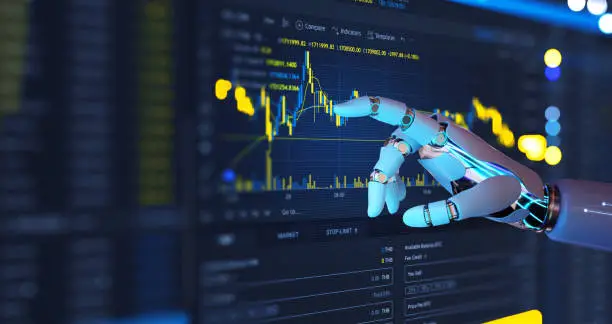
The hot topic currently appears to be AI. Everywhere a person turns, they learn about how this technology is used in countless industries. They may not realize it is also being used in the stock market.
The technology analyzes vast amounts of data rapidly to determine future market movements. Decision-making processes can be automated, and market sentiment can be determined. In fact, some investors are using an AI stock predictor to build a portfolio that considers their desired risk level.
Disrupting the Market
Investors use human intuition and technical indicators when determining which stocks to buy and sell. Fundamental analysis is a part of this process, but these methods take time. AI analyzes data at lightning speeds, regardless of the volume. With the help of machine learning and natural language processing, AI uncovers complex patterns in diverse sources, including stock prices and new articles. By collecting information from multiple sources and rapidly analyzing this data, it predicts future market moves with higher accuracy, allowing investors to react quickly when buying and selling stocks.
Algorithmic Trading
Humans don’t have time to watch the stock market continuously throughout the day. Even those in the industry can’t complete this task, as they have other things to do. Algorithmic trading automates the process. An AI-powered algorithm collects and analyzes market data to conduct trades rapidly without human intervention. The trades are based on predefined criteria, so investors never miss an opportunity. Many trading firms currently use this technology with great success.
Facilitating Investment Decisions
Investors no longer need to study financial reports and earnings statements or follow macroeconomic trends to determine which stocks to buy and sell. AI sifts through the data to provide them with actionable insights so they can act quickly. The AI program monitors news outlets and social media platforms to make decisions using sentiment analysis. It determines market sentiment and investor mood, which influence stock price fluctuations.
Market sentiment plays a role in stock price fluctuations. AI-powered platforms pull information from different sources by searching for predetermined keywords, hashtags, and phrases. When a stock is gaining traction, the program may recommend buying it or executing a trade. If market sentiment is negative, the platform will suggest that the investors adjust their portfolios. They may do so by diversifying in different sectors or selling stocks that aren’t performing well.
Personalized Advice
Investors may worry that the AI-powered algorithm will provide generic advice. The platforms consider the investor’s financial goals, risk tolerance, and how they have invested previously to make customized recommendations. The platform uses this information to determine which stocks are best for the investor based on current market conditions and the individual’s preferences. Human oversight is often part of this process to ensure investors receive accurate information.
Making decisions with the help of sentiment analysis reduces human bias. Investors will no longer make decisions based on emotions, so their long-term investment strategies remain intact. They are competitive in rapidly evolving environments, making them less likely to miss out on investment opportunities.
AI is disrupting many parts of everyday life, including investing. These technologies are evolving, so they may be used more to help investors get the most from their portfolios. Modern financial markets are highly complex, so any advantage an investor can have is beneficial. With the help of AI, they make informed and strategic decisions regarding their investment portfolios.